Thursday, November 28, 2013
How to Read the HC PPM Emissions Test
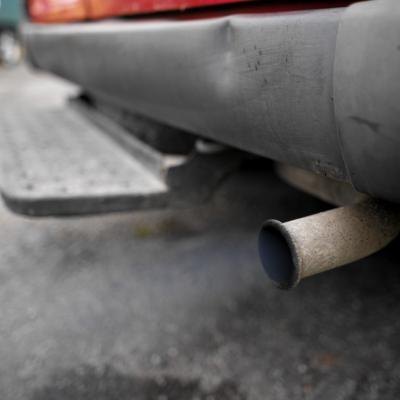
Most states in the U.S. require that vehicles undergo emissions or smog testing. These tests measure the amount of pollutants vehicles expel into the air and identify those vehicles that need to be fixed before they can be driven again. Emissions tests include the tailpipe test, which measures the amount of nitric oxide, carbon monoxide and hydrocarbons emitted. Within the tailpipe section of your test results youll see "HC PPM," which refers to the hydrocarbon amounts.
Instructions
- 1
Locate the tailpipe section of your emissions test results.
2Find "HC PPM" within the tailpipe section. You read this as hydrocarbon parts per million, and it means the number of hydrocarbon molecules for every million molecules emitted through the exhaust.
3Determine whether you pass or fail the HC PPM part of the test. The number of hydrocarbons allowed varies from state to state, but generally for vehicles made after 1994, your vehicle will need an HC PPM reading of below 50.
4Interpret the HC PPM reading. If you fail the HC PPM part of the test, it could mean that there is a problem with the carburetor, fuel injection system or oxygen sensor, or that the engine oil is diluted or the air cleaner is dirty.

Wednesday, September 11, 2013
Types of Harmful Car Emissions

Modern cars have extensive systems to increase fuel economy, regulate combustion and control emissions, but the resulting exhaust still contains many harmful substances. As an engine burns gasoline, it produces exhaust that contains carbon dioxide, carbon monoxide, nitrogen oxide and hydrocarbons. These substances adversely affect health and the environment.
Carbon Dioxide
Vehicles running on gasoline produce carbon dioxide as a waste product. Carbon dioxide doesnt directly cause health problems, but it is a greenhouse gas and research has determined that carbon dioxide is partially responsible for climate change. In response, governments around the world have implemented plans to reduce carbon dioxide emissions.
Carbon Monoxide
Vehicles produce carbon monoxide instead of carbon dioxide when fuel isnt completely combusted. Red blood cells absorb carbon monoxide quicker than oxygen. Carbon monoxide poisoning occurs when enough oxygen has been displaced in the bloodstream to interfere with normal respiration. Sustained exposure to high levels of carbon monoxide results in death.
Hydrocarbons and Nitrogen Oxide
Vehicle emissions contain hydrocarbons and nitrogen oxide. Hydrocarbons and nitrogen oxide react in the presence of sunlight to create ozone. Ground-level ozone creates smog and causes health problems. Exposure to ozone may worsen chronic conditions like asthma or emphysema, and prolonged exposure scars lung tissue.